
Matemwe and the Mnemba reef
A long, quiet village beach faces a protected atoll offshore. Its reef is one of the island's richest, and it needs visitors who look without touching.
 Picture: Mangapwani · Creative Commons BY-SA 4.0 (source file)
- From Stone Town
- About an hour by road
- Pace
- Full day
- Getting there
- Road north-east from Stone Town
- Bring
- Rash vest, mask, reef shoes, mineral sunscreen
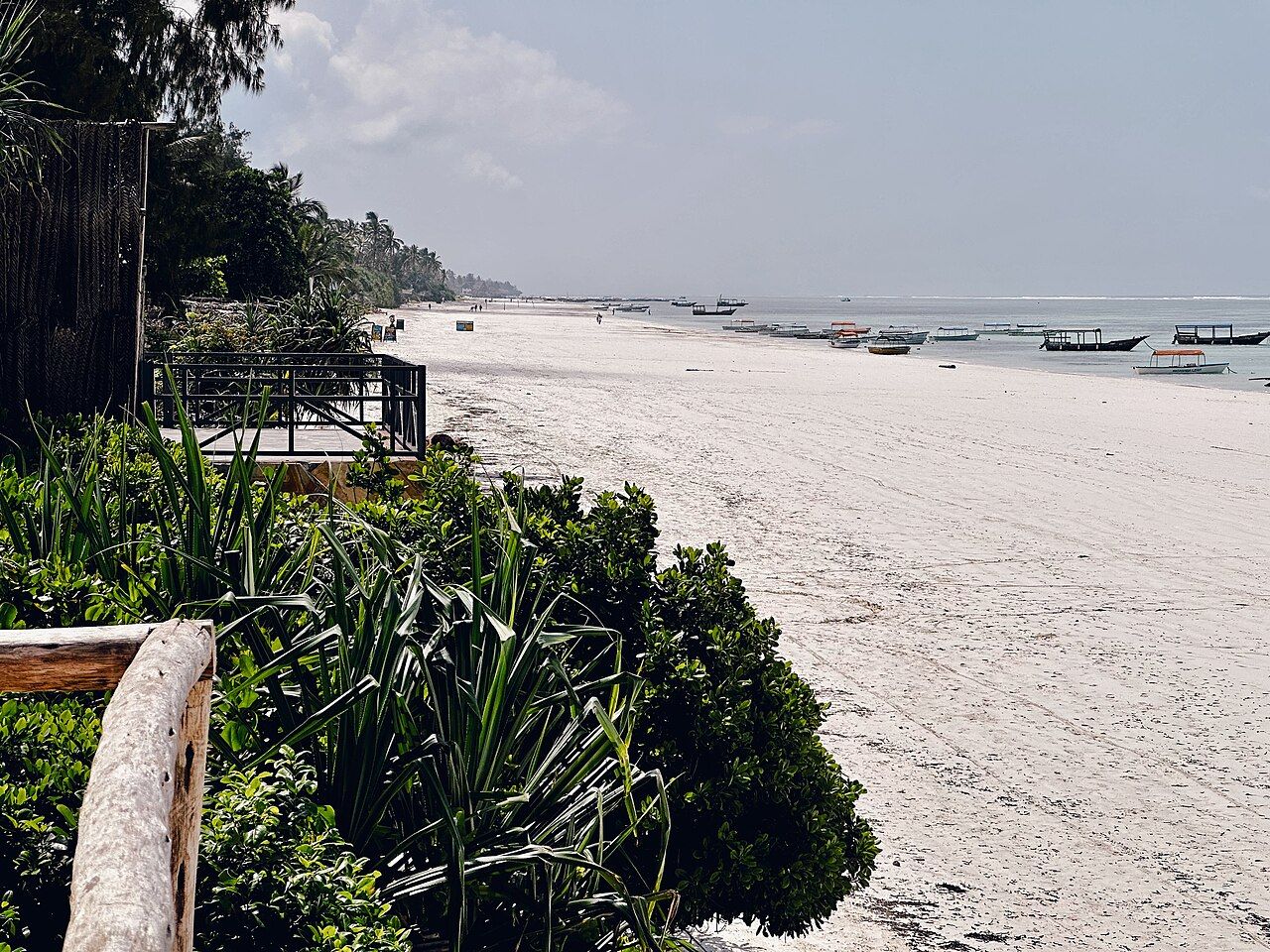
Matemwe lies on the north-east coast of Unguja, between the busier beaches of the far north and the villages further south. It is a long fishing village with a beach that runs for kilometres, lined with palms and casuarina trees. Offshore, a few kilometres away, is Mnemba atoll, an oval reef surrounding a small island. The waters around it form a marine conservation area, and they are among the most popular snorkelling and diving sites on the island.
The quiet north-east
Matemwe feels unhurried. The village stretches along the coast road, and its beach is used by fishermen, seaweed farmers and families as much as by visitors. In the morning, wooden outrigger canoes and small motorboats head out through the lagoon; in the afternoon, they come back with the catch.
Like the rest of the east coast, Matemwe has big tides. At low water the sea pulls back across a wide lagoon, uncovering sand, seagrass and pools, and the boats sit on the sand until the tide returns. At high tide the lagoon fills and becomes good for swimming. The story on the east coast tides explains how to plan around this.
Away from the beach, the village is a place where people live and work. Cover your shoulders and knees when you walk off the sand, greet people as you pass, and ask before photographing anyone.
Mnemba atoll and its protected waters
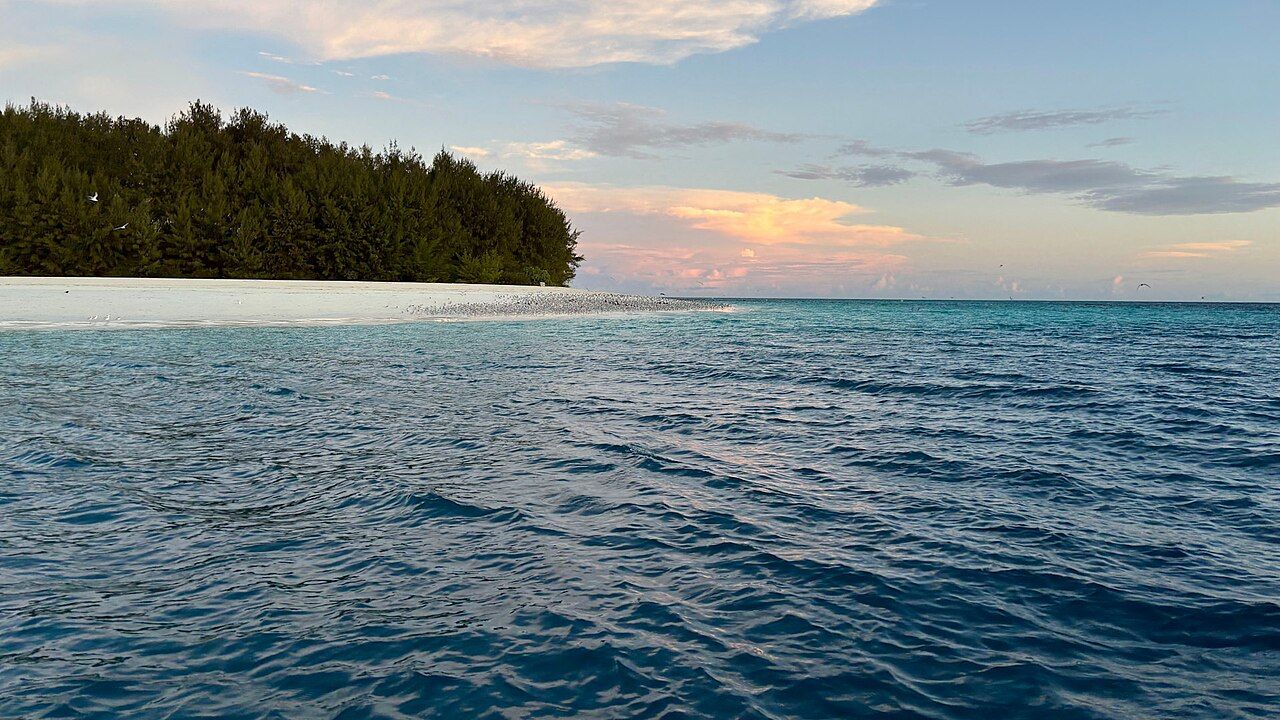
Mnemba is a small island surrounded by a reef roughly oval in shape. The island itself is private and cannot be visited, so landing on it is not allowed, and boats must keep clear of its beach. The reef and waters around it are another matter: they form part of a marine conservation area, managed to protect coral and fish while allowing controlled visits.
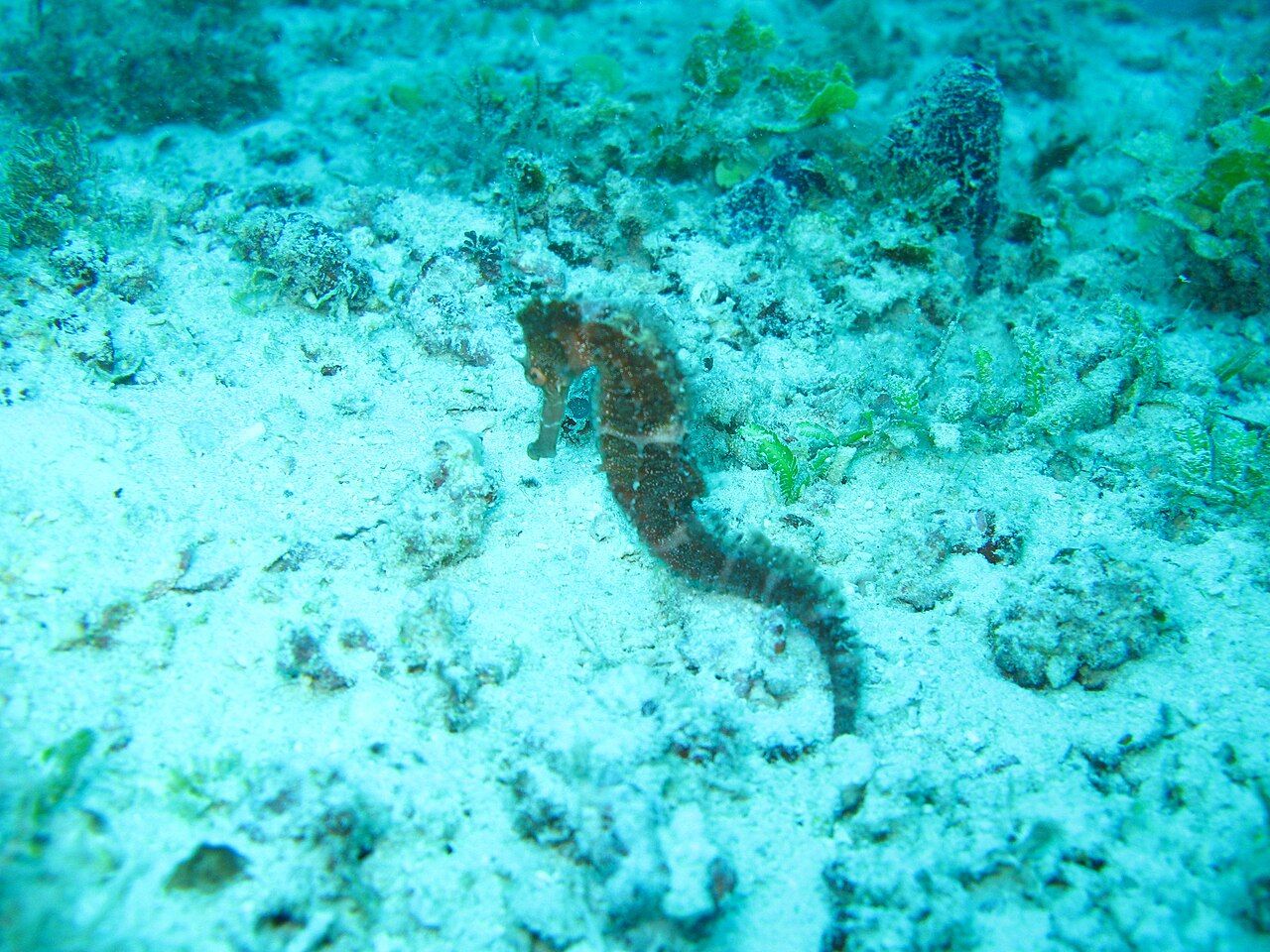
The reef has a wide range of hard and soft corals, reef fish of every colour, and larger visitors such as turtles. Dolphins are often seen in the area. Divers explore the reef walls; snorkellers float over the shallower coral gardens.
 Picture: Frequenttravellerrands · Creative Commons BY-SA 4.0 (source file)

There is usually a conservation fee for entering the area, and rules about where boats may anchor and how visitors behave. Paying the fee supports patrols and management, so think of it as part of protecting the place you came to see.
Pair it with Chumbe and the protected reefs
The problem of popularity
Mnemba's beauty is also its biggest risk. Many boats come each day, especially in the high seasons, and some of them crowd the same spots. Boats that anchor on coral, groups that stand on the reef, and visitors who chase dolphins or turtles all cause damage.
You can help by choosing trips carefully. Look for operators who keep groups small, use mooring buoys rather than dropping anchor, brief guests on reef behaviour and do not chase marine life. Ask about these things before you agree to a trip. If the crew encourages feeding fish, touching coral or pursuing dolphins, it is fair to say no.
How to snorkel with care
- Never stand on coral. If you need to rest, float on your back or return to the boat. Wear a buoyancy vest if you are not a confident swimmer.
- Do not touch anything. Coral is living animal tissue and damages easily. Some creatures can also sting or cut you.
- Keep your fins up. Kicking near the reef breaks coral and stirs up sand. Stay horizontal in the water.
- Do not feed the fish. It changes their behaviour and harms the reef ecosystem.
- Give turtles and dolphins space. Never chase or swim at them. If they approach you, stay calm and still.
- Take nothing. Leave shells, coral and starfish where they are.
 Picture: I've Got It On Film! · Creative Commons BY 2.0 (source file)

Reef-safe habits
Sunscreen is one of the easiest things to get right. Some chemical sunscreen ingredients are thought to harm coral, so many divers and snorkellers now prefer mineral sunscreens based on zinc oxide or titanium dioxide. Better still, wear a long-sleeved rash vest and a hat, so you need less cream in the first place.
Other habits help too. Take rubbish home, avoid single-use plastic on boats, and do not buy shells or coral sold as souvenirs. When you get back to shore, your choices about seafood and where you eat also make a difference to the reef's future.
The island has other protected areas worth knowing about. Chumbe Island, off the west coast, has a long-established reef sanctuary with its own rules. The story on Nungwi and Kendwa covers the busier beaches to the north, where many Mnemba boat trips start.
The road to Matemwe
- Getting there. Matemwe is usually about an hour by road from Stone Town, depending on traffic and stops.
- When to go. Visibility is often best in the drier months, and seas can be rougher when the winds are strong.
- Boat trips and tides. Departures from Matemwe often depend on the tide, since boats need water to cross the lagoon.
- Seasickness. The crossing to the atoll can be choppy. Take precautions if you are prone to it.
- Diving. Dive only with properly certified instructors and well-maintained equipment.
Matemwe rewards people who stay a little longer than a day trip. Watching the boats go out with the tide, and seeing the atoll on the horizon from a quiet beach, is a different experience from joining the crowds on the water.
With photos by Nina R from Africa · Creative Commons BY 2.0 (source file); Matt Kieffer from London, United Kingdom · Creative Commons BY-SA 2.0 (source file); Jonathan Dalrymple · Creative Commons BY-SA 4.0 (source file)


