
Chumbe and the protected reefs
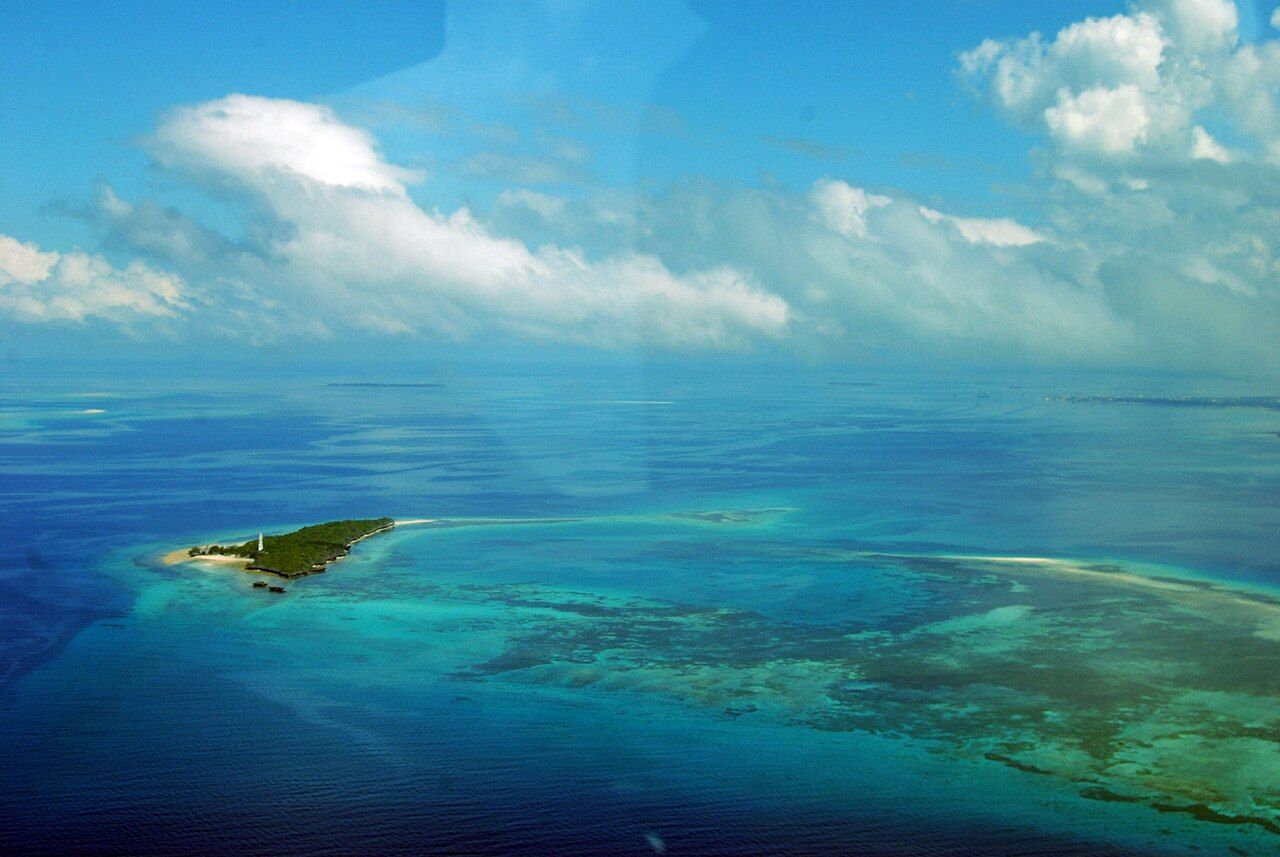
A small coral island south-west of Stone Town shelters one of the best-kept reefs off Zanzibar. It shows what the sea here looks like when it is left alone.
 Picture: mwanasimba from La Réunion · Creative Commons BY-SA 2.0 (source file)
- From Stone Town
- Under an hour by boat
- Pace
- Full day
- Getting there
- By boat, arranged in advance
- Bring
- Reef-safe sunscreen, rash vest, mask, water
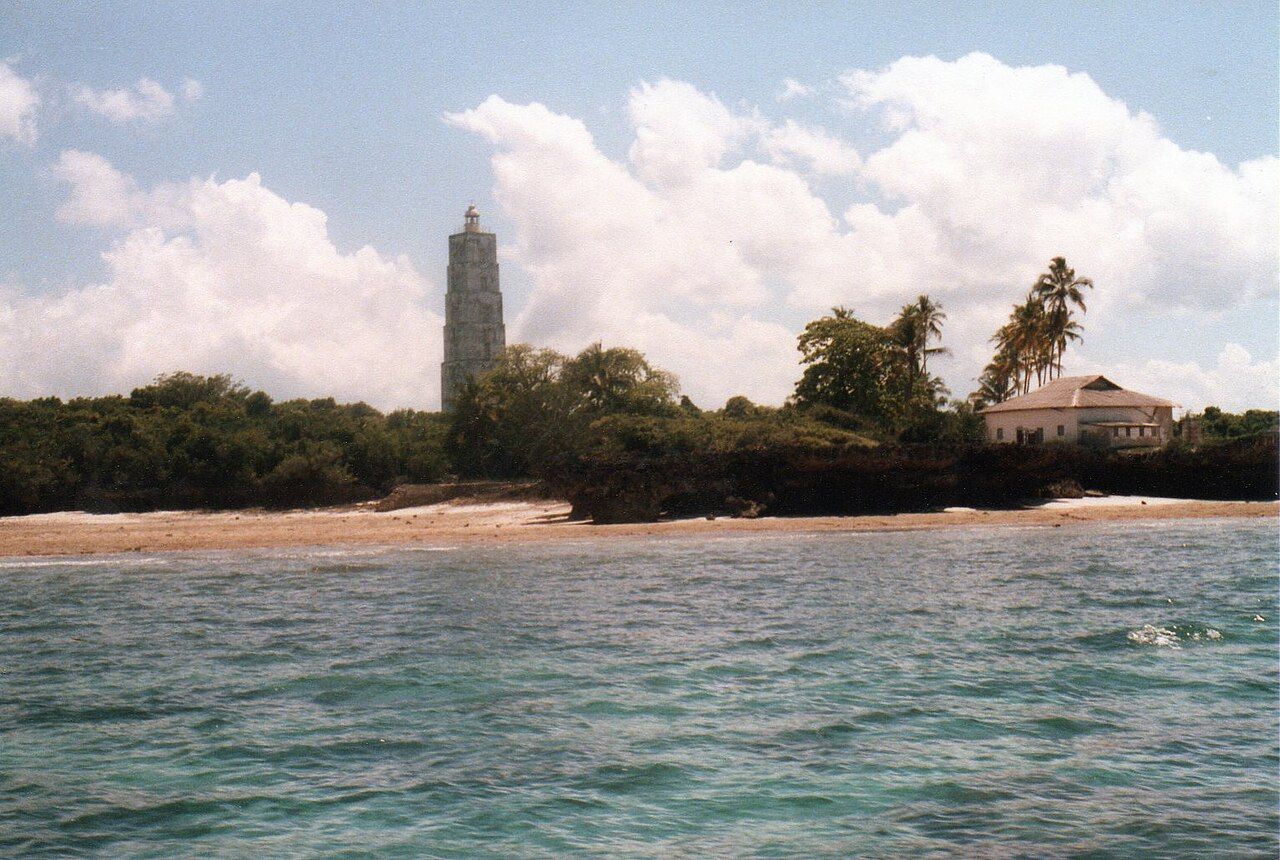
Chumbe is a low, narrow island of coral rag lying off the west coast of Unguja, south-west of Stone Town. From the water you notice two things first: a tall stone lighthouse rising above the scrub, and the colour of the shallows, a pale turquoise that fades to deep blue over the reef edge. Behind that colour lies one of the best-protected coral reefs around Zanzibar.
An island of fossil coral
Chumbe is made of coral rag: old, raised reef rock that has been lifted above sea level and weathered into a sharp, honeycombed surface. Soil is thin, and there is no permanent fresh water, so the island is covered with tough, low forest rather than tall trees. The forest shelters birds, small mammals and the coconut crab, a giant land crab that climbs trees and is now rare in many places across the Indian Ocean.
Coral rag islands like this one look harsh on land, but the same rock under water forms the reef. The island and its reef are really one structure, part above the surface and part below.
The lighthouse and the old buildings
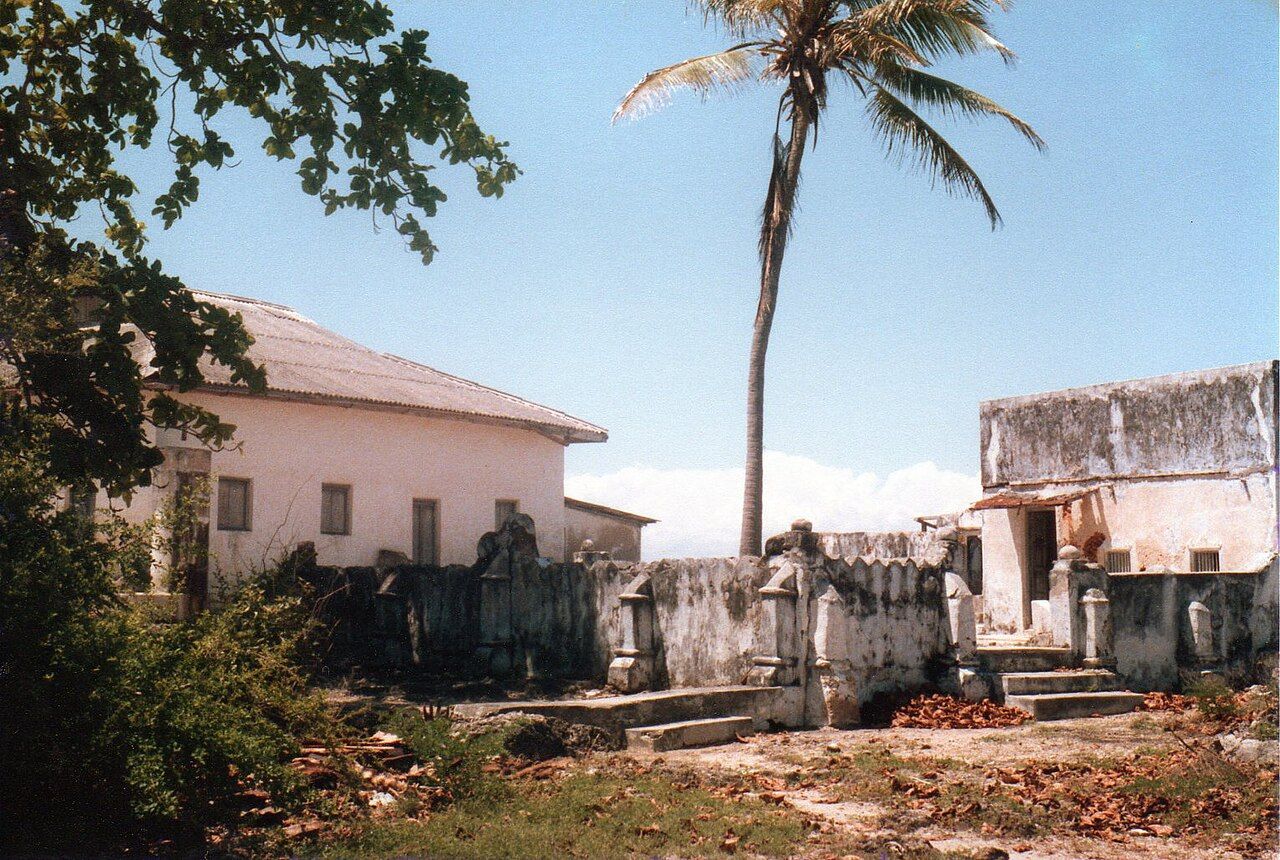
The lighthouse on Chumbe dates from the early twentieth century, built when shipping into Zanzibar town needed a guide past the reefs of the channel. It still stands as the island's landmark and can be seen from far out at sea. Near it are the remains of older buildings, including the former lighthouse keeper's house and a small mosque.
 Picture: mwanasimba from La Réunion · Creative Commons BY-SA 2.0 (source file)

Some of these have been restored and put to new use, and others stand as weathered ruins. Access to the island is controlled, so what you can see depends on the visit and the rules in place at the time.
Why the reef is different
The reef on the western side of Chumbe has been set aside as a marine reserve since the 1990s, and fishing has been kept out of a defined sanctuary area since then. Before protection, the reef had been sheltered partly by chance, since access to the area was restricted for years. Since then, managers have kept it as a no-take area, with no fishing, no anchoring on the coral and no collecting.
Pair it with Matemwe and the Mnemba reef
The difference shows. In a no-take area, fish grow larger and more numerous, and the full range of species returns, from tiny reef fish to grazers and predators. Grazing fish keep algae in check, which gives young corals room to settle. A healthy reef also produces young fish that drift out and help restock fishing grounds nearby, which is one reason why protected areas matter to fishing villages too.
The reef has not been immune to wider threats. Warm-water events have caused coral bleaching across the western Indian Ocean, including around Zanzibar, and recovery depends on many things beyond any one island's control. Protection does not stop the sea from warming, but it gives reefs a better chance to bounce back.
 Picture: Rob from United Kingdom · Creative Commons BY 2.0 (source file)

Visiting Chumbe
You cannot simply land on Chumbe. Visits are managed to keep numbers low, and day trips or stays need to be arranged in advance. Boats usually leave from the coast south of Stone Town, and the trip takes well under an hour in normal conditions.
A day visit generally combines guided snorkelling on the reef with a walk on the forest trail and a look at the lighthouse and old buildings. Snorkelling here is often done with a guide in the water, which helps you spot things and keeps everyone off the coral.
Snorkelling rules for any protected reef
The habits that apply on Chumbe make sense anywhere around Zanzibar, from the reefs of Mnemba atoll to the shallows near Prison Island.
- Never stand on coral. Coral is a living animal and one footstep can crush years of growth. If you need to rest, float on your back or head for sand.
- Do not touch anything. That includes fish, turtles, starfish and shells. Many animals sting or bite, and touching damages delicate surfaces.
- Take nothing. No shells, coral pieces or sand. On a protected reef, collecting is not allowed at all.
- Watch your fins. Keep them up and away from the reef, and swim with slow, steady kicks.
- Protect your skin without harming the water. Choose a rash vest or long-sleeved swim top, and use sunscreen free of the ingredients known to harm corals.
- Do not feed fish. It changes their behaviour and upsets the balance of the reef.
- Listen to your guide about currents, depth and where to swim.
If you are not a confident swimmer, say so before you get in. A buoyancy vest or float lets you relax and watch the reef without reaching for the coral.
Best time to go
Calm weather makes a big difference to the boat trip and to visibility in the water. Conditions are often good in the months between the main monsoon winds, but the sea is unpredictable, and a windy day can cloud the water at any time of year. Mornings tend to be calmer than afternoons.
What a protected reef teaches
A visit to Chumbe is a useful way to calibrate your eyes. Once you have seen a reef that has been left alone, it is easier to notice the difference elsewhere: whether fish are large or small, whether corals are broken or whole, whether the shallows feel busy or empty. Every snorkeller can help by choosing calm, careful trips and by treating every reef the way protected ones are treated. The sea around Kizimkazi and other busy spots would benefit from more visitors bringing that habit home with them.
With photos by Diego Delso · Creative Commons BY-SA 4.0 (source file)
