
Kizimkazi, its old mosque and the dolphins
A fishing village at the southern tip of the island holds a mosque with roots in the twelfth century and a bay where dolphins feed. Both reward a slow, respectful visit.
 Picture: Mnazini · Creative Commons BY 4.0 (source file)
- From Stone Town
- About an hour and a half
- Pace
- Full day
- Getting there
- South from Stone Town by road
- Bring
- Long skirt or trousers, scarf, sun hat, motion pills
Kizimkazi sits near the southern tip of Unguja, where the road runs out between coral rag scrub and the sea. It is really two neighbouring settlements on the same stretch of coast, Kizimkazi Dimbani and Kizimkazi Mkunguni, with fishing boats pulled up on the sand and the slow rhythm of a village that lives from the water. Most visitors arrive early in the morning for the dolphins and leave soon after. It is worth staying longer.
A very old mosque
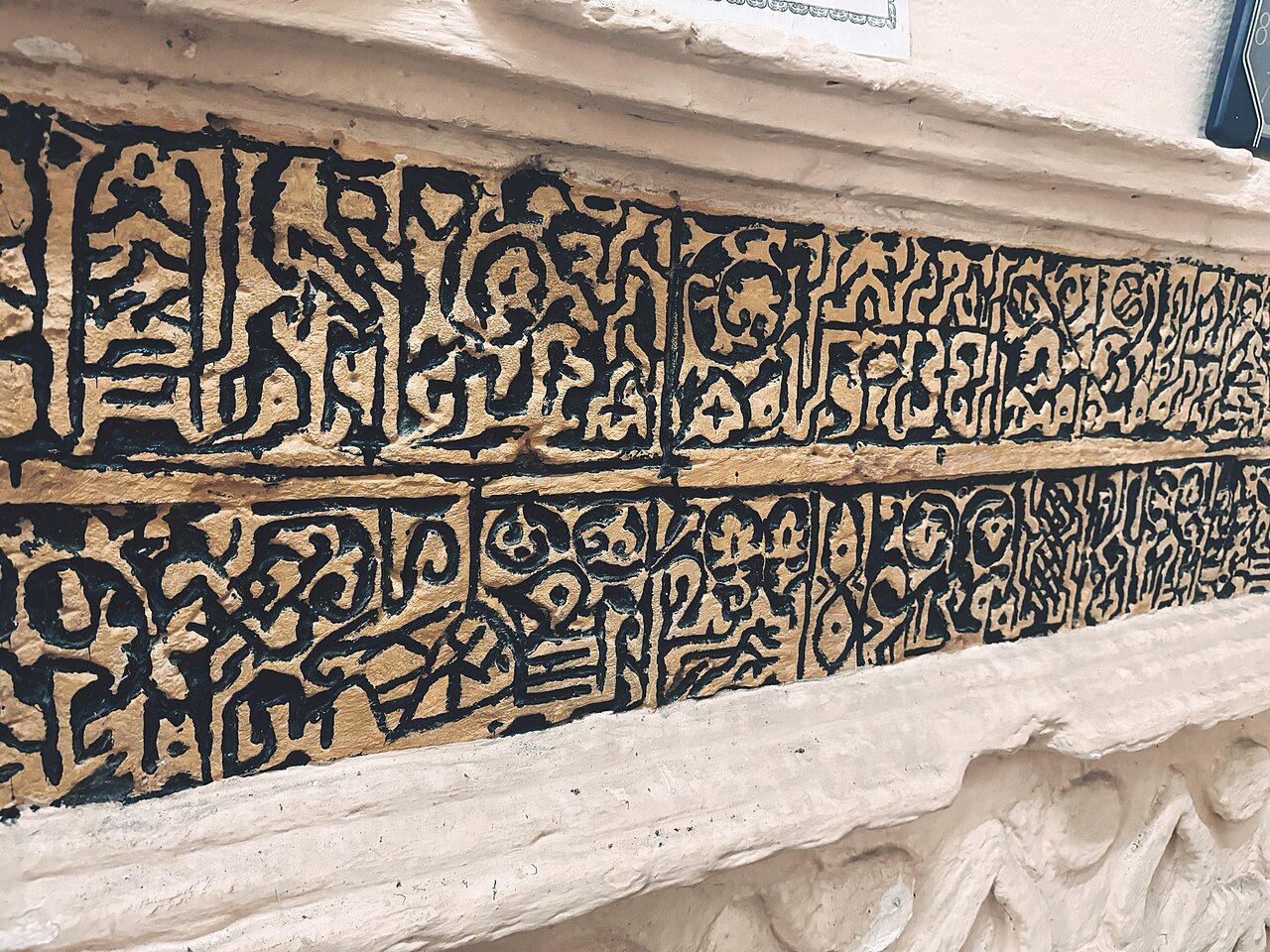
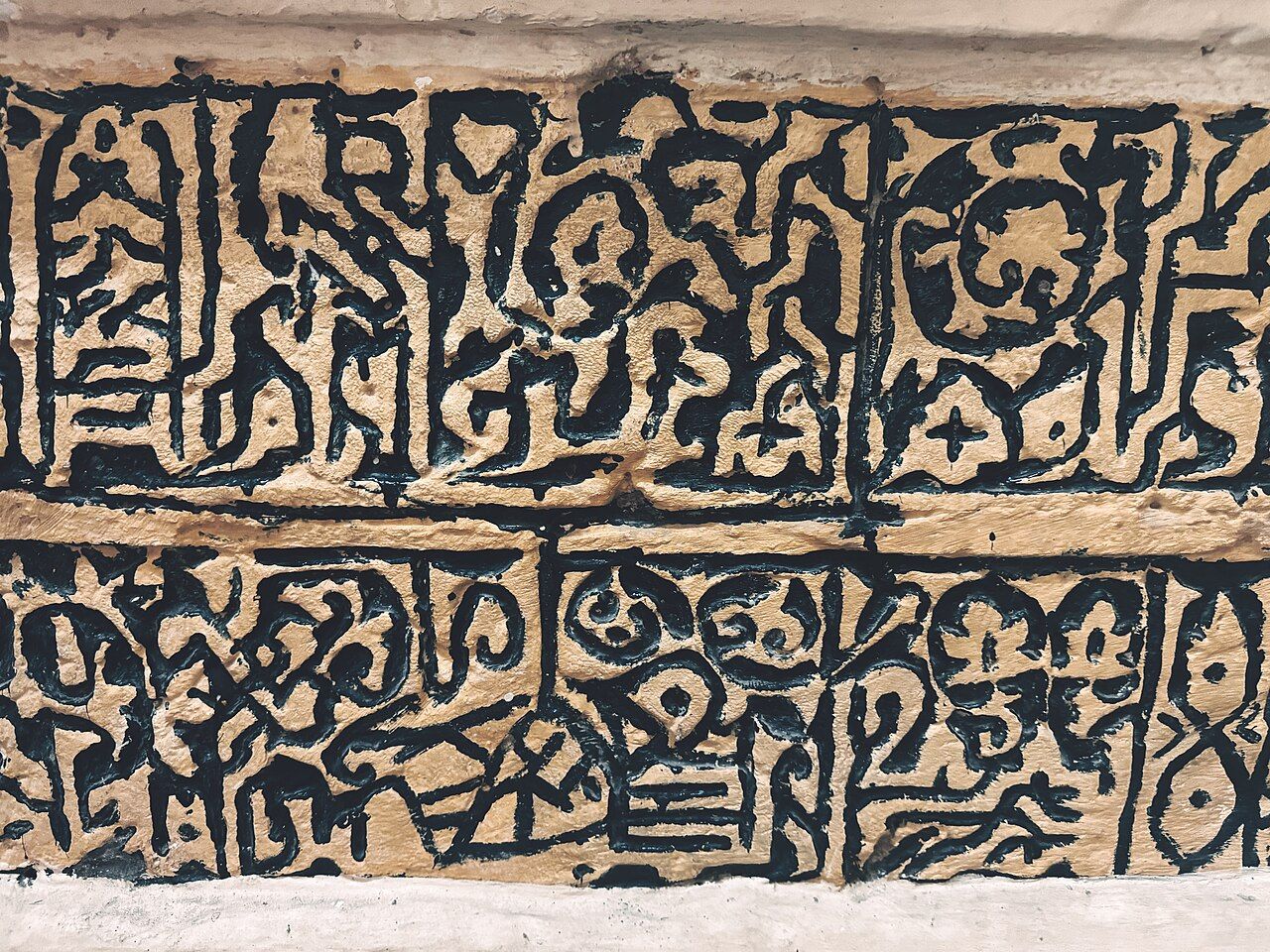
In Kizimkazi Dimbani stands a small, plain mosque that is one of the oldest Islamic sites on the East African coast. The building you see has been rebuilt over the centuries, but inside it, around the prayer niche, runs a carved inscription in an ornate, angular Kufic script. The inscription is generally dated to the early twelfth century, which makes it one of the oldest known pieces of writing on the Swahili coast.
 Picture: Mnazini · Creative Commons BY 4.0 (source file)

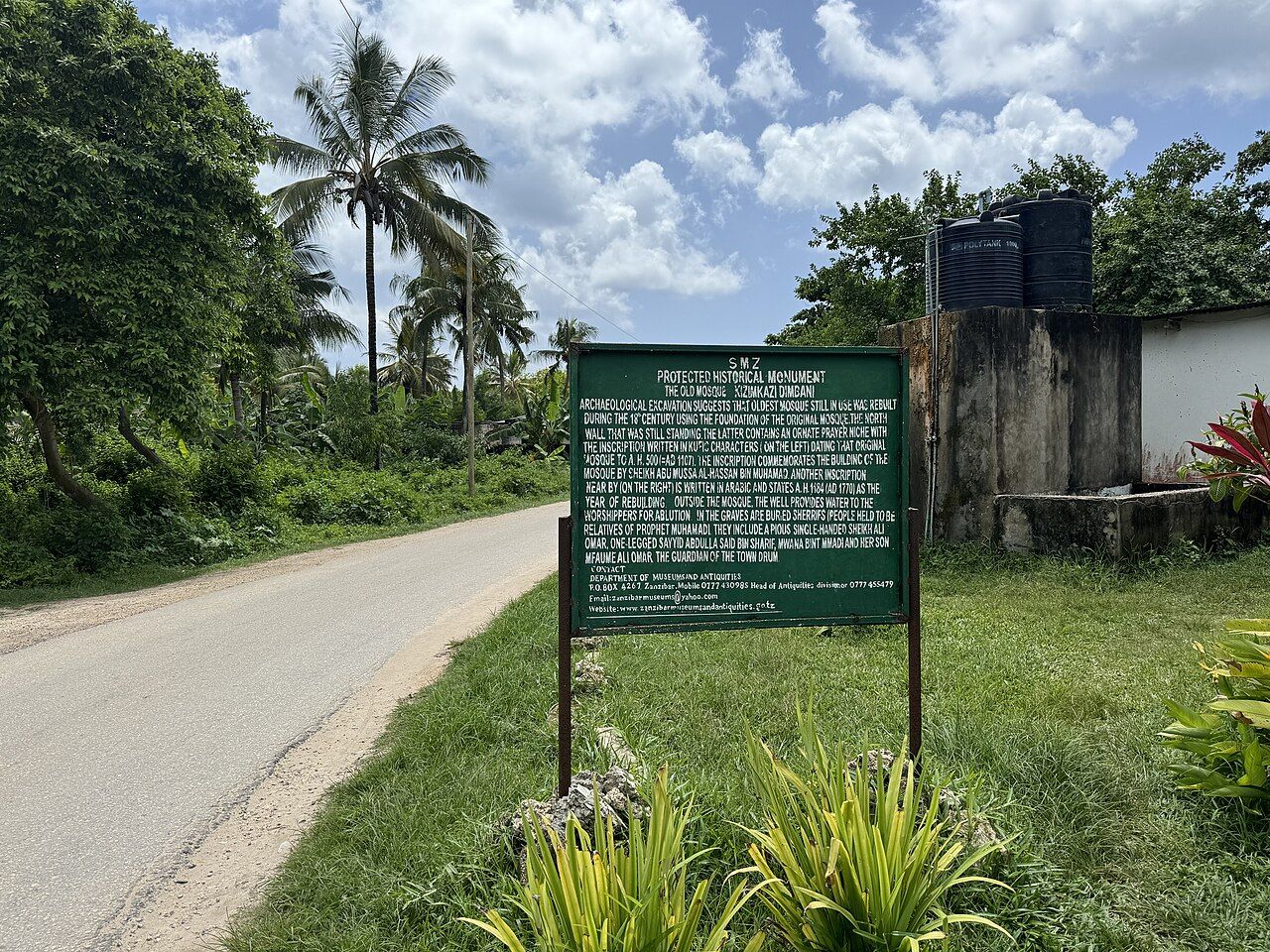
A government sign by the road describes the site as a protected historical monument and summarises its history. The stonework and the decoration around the mihrab show the long links between this coast and the wider Islamic world across the Indian Ocean, centuries before Stone Town took its present shape. Old graves lie in the grounds, and a well nearby supplies water for washing before prayer.
 Picture: Mnazini · Creative Commons BY 4.0 (source file)

Visiting the mosque
This is a working mosque, not a museum. Non-Muslims may sometimes be shown in by a caretaker outside prayer times, but that is a courtesy and not a right. Dress with care: long trousers or a long skirt, shoulders covered, and for women a scarf to cover the hair. Shoes come off at the entrance. Avoid prayer times, especially Friday midday, and ask before taking any photos inside.
If there is no one to show you in, the outside of the building and the sign still give you a sense of the place. A small donation towards upkeep is often appreciated, but ask how it is handled rather than pressing money on anyone.
The dolphins of the bay
The waters off Kizimkazi are home to resident groups of dolphins, mainly Indo-Pacific bottlenose dolphins and, less often, Indian Ocean humpback dolphins. They feed, rest and socialise in the bay, and they have long been a draw for boat trips from the village. The wider bay to the west is also managed as a conservation area.
Pair it with Chumbe and the protected reefs
The problem is crowding. On busy mornings, many boats can head out at the same time and converge on the same group of animals. Some race towards the dolphins, surround them or cut across their path so that passengers can jump in. Studies of dolphins in heavily visited places suggest that this kind of pressure disturbs feeding and resting, and over time it can push animals away from the areas they rely on. Kizimkazi has been an example of exactly this concern.
How to keep a dolphin trip kind
If you decide to go, you have more influence than you might think. Tell the boat crew before you set off what you expect, and choose a trip that agrees.
- Keep a good distance. Watch from the boat and let the dolphins come closer if they choose.
- No chasing. Boats should approach slowly from the side or behind, never head-on, and should never box a group in.
- Do not jump in on top of them. Splashing into the water beside a group, or swimming at them, is the most stressful part of these trips for the animals. If you do swim, enter quietly, well away from the dolphins, and stay still.
- Limit the time. A short, calm encounter is better than a long pursuit. If the dolphins move away, let them go.
- Stay away from mothers and calves and from any group that seems to be resting.
- Leave if it is crowded. If several boats are already around a group, ask your crew to wait or turn back.
Many people find that the best way to see the dolphins is from a boat that simply cuts its engine and waits. You may see fins break the surface, hear the puff of breath, and sometimes see a group pass close by on its own terms. That is a better memory than a rushed swim surrounded by engines.
The sea here can be choppy, especially in the windier months. If you get seasick, take something before you go and keep your eyes on the horizon.
Spending the rest of the day
After the boats come back in, Kizimkazi settles into its normal day. Fishing boats unload on the beach, people mend nets in the shade, and the tide comes and goes over the flats. Walk along the shore, keep your camera down around people unless you have asked, and greet those you pass.
The village lies at the southern end of the main road down the island, and it combines well with a stop at Jozani forest on the way, since both sit near the same road. The road from Stone Town is surfaced, and the drive is usually around an hour and a half by car, more by local minibus with stops. If you want to see more of the southern reefs, the protected waters around Chumbe off the west coast offer a much quieter kind of sea trip.
Calm, small and patient boats
Trips, permits and conservation rules in the bay change from time to time, and arrangements in the village vary. Ask in the village what is allowed this season, ask clear questions about how a trip is run, and choose calm, small and patient over big and fast. On a quiet morning, with the old mosque behind you and fins in the bay ahead, Kizimkazi shows two very different sides of the same long relationship between this island and its sea.
With photos by Olivier Lejade from France · Creative Commons BY-SA 2.0 (source file); Bärbel Miemietz · Creative Commons BY-SA 4.0 (source file); Moongateclimber · public domain (source file)


